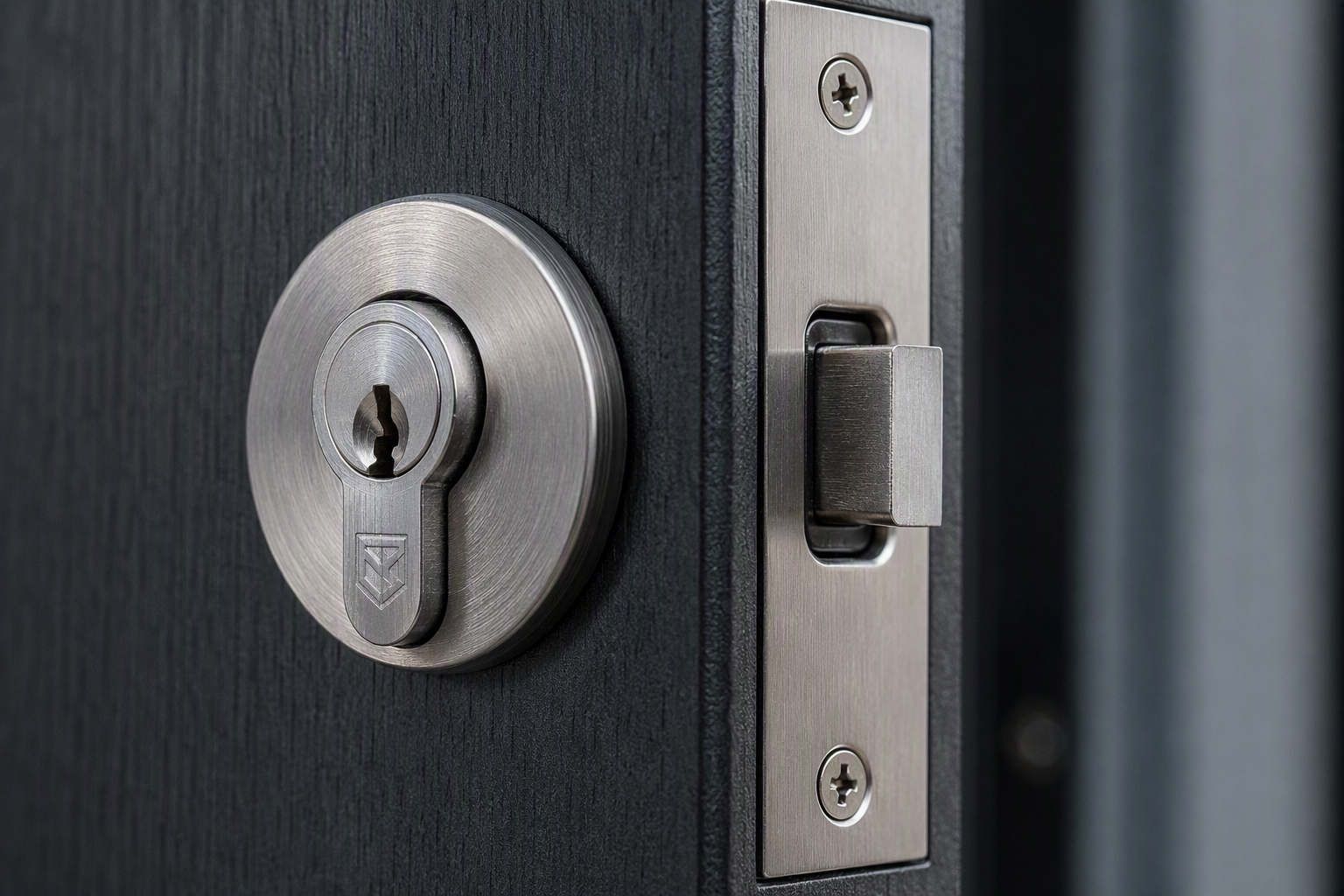
Few things are as frustrating as a door lock not latching correctly. Whether it's a front door leaving your property vulnerable or an internal door failing to secure a private space, a faulty latch can disrupt daily life and compromise your security. In Melbourne, where properties range from historic homes to modern high-rise apartments, understanding why your door lock might not be catching is crucial. This common residential lock issue often presents as the door failing to stay closed unless forced, or the bolt simply not engaging with the strike plate. This article explores the various reasons behind a door lock not latching, offering insights into diagnosis and practical solutions. We'll delve into the causes, from subtle structural shifts to wear and tear, and guide you on when a simple security hardware adjustment might suffice versus when professional door lock repair in Melbourne is your best course of action. Ensuring your locks function correctly is fundamental to maintaining property integrity and peace of mind.
Why Your Door Lock Might Not Be Latching: A Diagnosis Guide
When your door lock isn't latching, it's often a sign of one or more underlying issues. Diagnosing the problem accurately is the first step toward finding a lasting solution. The core function of a latch is to engage with the strike plate, holding the door securely in the closed position. When this interaction is hindered, the door will bounce open or remain ajar.
Common Mechanical Issues
At the heart of many latching problems are mechanical faults within the lock mechanism itself. Over time, components inside the lock body can wear down, stick, or break. The latch bolt, the spring-loaded mechanism that extends into the strike plate, can become stiff or fail to project fully. Dirt, debris, or dried lubricant can impede its movement, preventing it from snapping into place as it should.
Similarly, the door handle or knob mechanism, which retracts the latch bolt, can become loose or damaged. If the spindle connecting the handle to the latch is stripped or broken, the handle may turn freely without engaging the latch. Another common mechanical culprit is a misaligned strike plate. If the opening in the strike plate, mounted on the door frame, doesn't perfectly align with the latch bolt, the bolt will hit the plate instead of entering it. This misalignment can be minor, causing the latch to scrape and eventually wear down, or significant enough to prevent any engagement at all.
Environmental Factors and Wear
Beyond direct mechanical failures, external factors and general wear can significantly impact a door lock's ability to latch. Humidity and temperature fluctuations, common in Melbourne's climate, can cause wood doors and frames to swell or contract. This natural movement can alter the precise alignment between the door and its frame, leading to the latch no longer meeting the strike plate correctly.
Everyday use also contributes to wear and tear. Over years of opening and closing, a door's hinges can loosen, causing the door to sag. Even a slight sag can throw the latch and strike plate out of alignment. Furthermore, the latch bolt itself, constantly rubbing against the strike plate, can become worn or develop burrs, making it difficult to slide smoothly into place. For properties experiencing these kinds of residential lock issues, careful inspection can often reveal the true cause behind a door lock not latching.
Impact of Building Movement and Door Frame Alignment on Locks
The stability of a building and the precise alignment of its door frames are critical for the proper function of all door hardware, especially locks. Even imperceptible shifts in a structure can profoundly affect how a door closes and latches. This is particularly relevant in areas like Docklands, Melbourne CBD, and surrounding suburbs, where various building types, from high-rise residential towers to older commercial properties, can experience different forms of structural movement.
Subtle Shifts and Their Effects
Buildings are rarely static. Over time, foundations can settle, soil conditions can change, and even extreme weather events can exert forces that cause a structure to shift minutely. These subtle movements, often measured in mere millimetres, can have a cumulative effect on door frames. A perfectly plumb and square door frame can become slightly twisted or racked, altering the relationship between the door slab and the frame.
When a door frame is no longer perfectly aligned, the strike plate's position relative to the door's latch bolt changes. What was once a seamless engagement becomes a point of friction or obstruction. The latch bolt might hit the top or bottom edge of the strike plate, or rub against its side, preventing it from fully extending and securing the door. This can lead to your door lock not latching, making the door feel loose or causing it to swing open unexpectedly. Such issues are not always immediately obvious and can manifest gradually, growing worse over time as the structural shift progresses.
Identifying Misalignment
Detecting door frame misalignment often requires a keen eye. Begin by inspecting the gaps around the door when it's closed. Are the gaps even all the way around the frame? Uneven gaps, wider at the top, bottom, or one side, are a strong indicator of misalignment. Next, observe the strike plate. Is there visible damage or excessive wear marks on the plate itself, indicating the latch bolt is consistently scraping against it rather than entering cleanly? You might also notice fresh paint or wood exposed around the strike plate or hinges, suggesting the door or frame has moved.
Another diagnostic step is to gently push on the door at various points while it's closed but not latched. Does it move excessively within the frame? If you can easily shift the door, the frame might be out of square, or the hinges could be loose. This misalignment is a common cause of residential lock issues and can require more than a simple lock adjustment. If you're experiencing a door lock not latching in your property and suspect frame misalignment, it's often wise to seek professional advice. Understanding these nuances is a key part of assessing your home security and ensuring all components function as intended.
When Adjustment is Sufficient vs. When Repair is Needed
Facing a door lock not latching can be perplexing, but not every instance requires a full lock replacement. Often, a careful assessment can determine whether a simple adjustment will suffice or if a more extensive repair is necessary. Making the right call can save time and ensure the longevity of your security hardware.
Simple Adjustments You Can Check
Before considering professional intervention, there are several straightforward adjustments you can investigate. If the latch bolt is hitting the strike plate, a common first step is to adjust the strike plate itself. Many strike plates have elongated screw holes, allowing for minor repositioning. Using a screwdriver, you can slightly move the plate up, down, or sideways to better align with the latch bolt. For subtle misalignments, this can often resolve the issue.
Another common adjustment involves the door hinges. If the door has sagged, tightening loose hinge screws can sometimes lift the door enough to correct the latch alignment. If screws are stripped, replacing them with longer, stronger screws (or using wood filler for stripped holes) can reinforce the hinges. In cases where the latch mechanism feels sticky or sluggish, a small amount of appropriate lubricant applied to the moving parts within the latch (accessed by removing the door handle or lockset) can improve its operation. These minor security hardware adjustment tasks are often within the capabilities of a property owner.
Recognizing When Professional Repair is Essential
While basic adjustments can solve many issues, some problems with a door lock not latching indicate a need for professional door lock repair in Melbourne. If the lock mechanism itself is broken internally—for example, if the spring mechanism for the latch bolt is faulty, or if the internal components of the handle are stripped—a repair or replacement of the lockset will be required. Attempting complex internal repairs without the right tools or expertise can cause further damage.
Furthermore, if the door frame misalignment is significant, or if the door itself is warped, adjustments to the strike plate or hinges may only offer a temporary fix. Structural issues with the door or frame often require a locksmith to assess the overall situation and recommend a more comprehensive solution, which might include shimming hinges, planing the door, or even reframing. Knowing when to call in an expert is crucial for ensuring the repair is effective and doesn't compromise your property's security. For guidance on more involved lock problems, you might find our article Lock Repair or Replacement? Expert Advice for Docklands & Melbourne Properties helpful. When the issue extends beyond simple adjustments, understanding What to Expect from a Professional Locksmith Service in Melbourne can prepare you for the next steps.
Ensuring Your Latch Provides Adequate Security
A properly functioning latch is more than just a convenience; it's a fundamental component of your property's security infrastructure. When a door lock is not latching reliably, it inherently creates a vulnerability that should be addressed promptly.
The Role of a Properly Functioning Latch
The primary role of the latch is to keep the door securely closed within its frame, even before a deadbolt is engaged. This seemingly simple action prevents the door from blowing open, provides a basic barrier against intrusion, and ensures privacy. In many residential settings, the latch alone is what holds the door shut during the day. If this mechanism is compromised, the door can be easily pushed open, undermining the very first line of defence for your home or commercial tenancy.
A well-aligned and smoothly operating latch works in conjunction with the door and frame to provide a snug fit, reducing gaps and making it more difficult for an opportunist to force entry. For apartment doors in Docklands or homes in Port Melbourne, where security is a constant consideration, a non-latching door sends an undesirable signal of vulnerability. Addressing residential lock issues promptly ensures that your basic security measures are intact and operating as intended.
Upgrading for Enhanced Protection
Sometimes, the solution to a door lock not latching problem isn't just repair, but an opportunity to enhance overall security. If your current lock hardware is old, worn, or of a basic design, even a perfectly functional latch might not offer robust protection. Modern security hardware, including advanced latching mechanisms and reinforced strike plates, can significantly improve a door's resistance to forced entry.
For properties in inner Melbourne suburbs, considering an upgrade can provide greater peace of mind. Reinforced strike plates, for instance, are designed to withstand more force than standard plates, making it much harder to kick a door open even if the latch itself is solid. Upgrading to a heavier-duty lockset can also provide a more substantial latching mechanism. These improvements are part of a broader approach to security, ensuring that not only do your locks function, but they also offer a superior level of protection. To explore options for improving your property's defences, read more about Security Hardware Upgrades: Enhancing Protection for Melbourne Properties. Furthermore, regularly Assessing Your Home Security: When to Upgrade Locks in Inner Melbourne can help you identify opportunities for enhanced protection.
Frequently Asked Questions
Q: Can I fix a door lock not latching myself?
A: For simple issues like a slightly misaligned strike plate or loose hinge screws, you may be able to make minor adjustments yourself. However, if the problem lies within the internal mechanism of the lock or involves significant door or frame misalignment, professional repair is often recommended to avoid further damage.
Q: How do I know if my door frame is misaligned?
A: Check the gaps around the closed door; they should be even. Look for visible wear marks on the strike plate where the latch might be hitting. If the door feels loose or can be easily shifted within the frame when closed, misalignment is a strong possibility.
Q: What's the difference between a latch and a deadbolt?
A: A latch is a spring-loaded bolt that extends into the strike plate, automatically holding the door closed. It can be retracted by turning a knob or handle. A deadbolt, on the other hand, is a solid, non-spring-loaded bolt that is operated manually with a key or thumbturn, offering a higher level of security by "dead" locking the door into the frame.
Q: When should I call a locksmith for a non-latching door?
A: You should contact a locksmith if you've tried basic adjustments without success, if the lock's internal mechanism appears faulty, if there's significant damage to the door or frame, or if you're unsure about the underlying cause. A professional can accurately diagnose the issue and provide an effective, lasting solution.
Conclusion
A door lock not latching isn't just an inconvenience; it's a security vulnerability that demands attention. From the subtle shifts of a building to the everyday wear and tear on your security hardware, numerous factors can contribute to this common issue. While some problems can be resolved with straightforward adjustments, others require the nuanced expertise of a professional. Understanding the root cause is the first step towards a lasting solution, ensuring your doors close securely and provide the protection you expect.
Don't compromise on the security of your home or commercial space. If your door lock isn't latching reliably, or if you're unsure about the underlying problem, seeking expert assistance can prevent further damage and restore your peace of mind. For reliable door lock repair and security advice in Docklands, Melbourne CBD, and surrounding suburbs, Joey Locksmith Service Docklands is here to help.
To discuss your residential lock issues or to request an assessment, please Request a Quote.