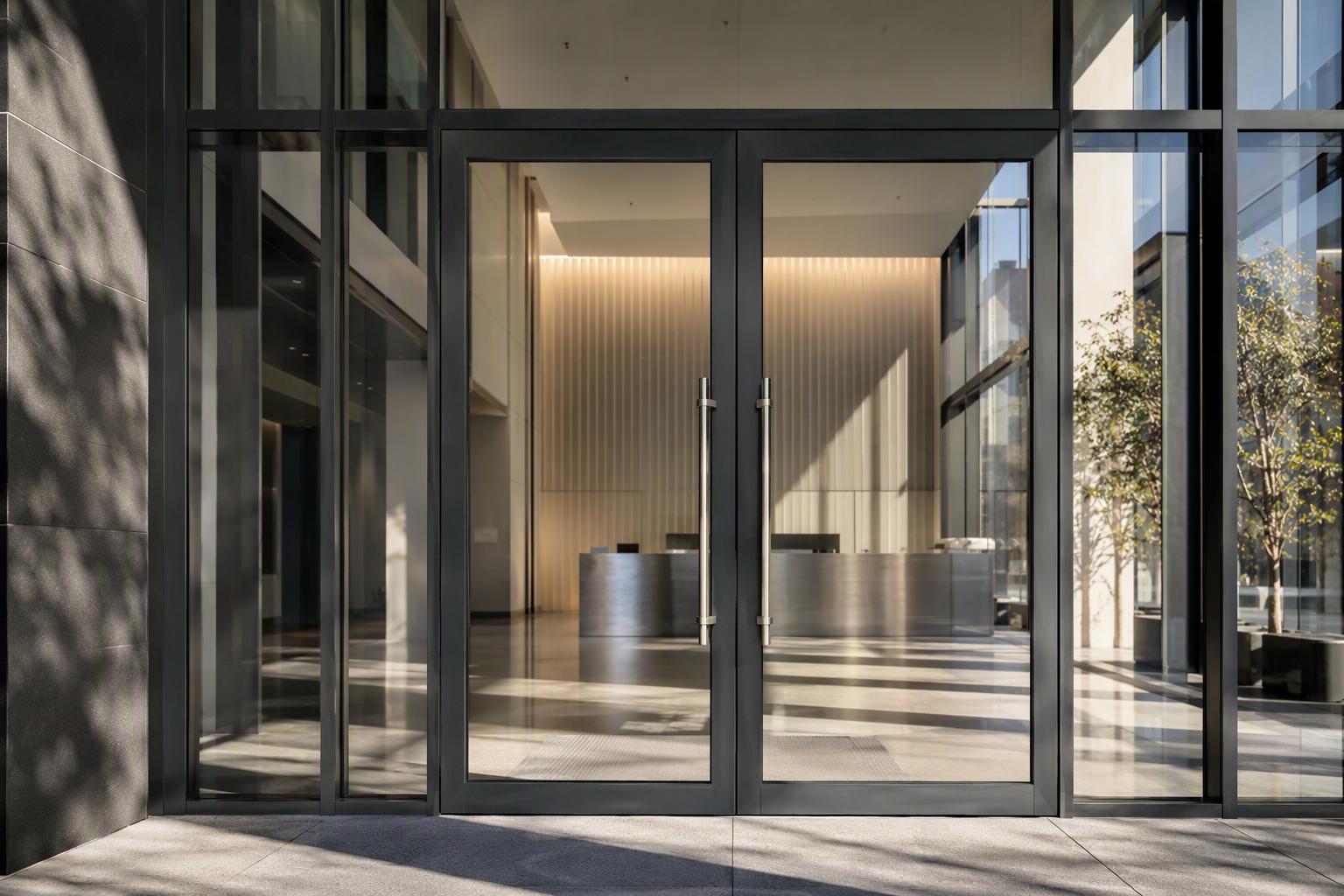
Navigating the complexities of commercial property tenancies in Melbourne involves more than just lease agreements and fit-outs. A critical, often overlooked, aspect is ensuring robust lock security, especially during the pivotal periods of moving a business into or out of a commercial space. Whether you're a business owner relocating to a new office in Melbourne CBD, a retail manager setting up in Docklands, or a property manager overseeing a portfolio of tenancies, understanding your security needs is paramount.
Effective lock security contributes directly to the protection of your assets, data, and operational continuity. It's about managing the risks associated with previous occupants, safeguarding against unauthorised access, and setting up a reliable system for your team. This article provides essential insights into securing your commercial tenancy, covering critical locksmith considerations from taking over a new space to proactive security upgrades that protect your business interests in Melbourne's dynamic commercial landscape.
Critical Locksmith Considerations When Taking Over a New Tenancy
When your business prepares to move into a new commercial tenancy in Melbourne, the security of the premises should be a top priority from day one. It's not enough to simply inherit the existing lock hardware; the question of who might still possess keys to your new office or retail space is a significant security vulnerability. Understanding the state of the existing security hardware and planning immediate actions is crucial for protecting your business.
Assessing Existing Security Hardware
Before you even move in furniture, an assessment of the current locks and access systems is advisable. This involves examining the type and condition of locks on all entry points, including main doors, back entrances, internal offices, storage rooms, and even window locks if applicable. Are they standard cylinder locks, lever locks, or more sophisticated access control systems? Are there signs of wear, damage, or tampering? An expert locksmith can evaluate the existing setup, identify potential weaknesses, and provide a clear overview of what needs attention. This initial assessment helps in forming a baseline understanding of your new tenancy's security posture.
The Importance of Lock Replacement or Rekeying
One of the most fundamental steps when taking over a commercial tenancy is to address the keys. You cannot be certain how many copies of the old keys exist or who might have them. For optimal security, lock replacement is often the most secure option. This ensures that all previous keys are rendered useless and you start with a completely fresh set. Alternatively, rekeying is an option where the internal pins of the lock cylinders are changed so that old keys no longer operate the lock, but the existing hardware remains in place. While rekeying can be a cost-effective solution for functional locks, full replacement offers a greater peace of mind, especially if the existing locks are old, worn, or of a lower security grade. This measure immediately nullifies access from previous tenants, contractors, or anyone else who may have held keys.
Integrating with Building-Wide Security Systems
In many commercial buildings across Melbourne, particularly in areas like Docklands or Melbourne CBD, tenancies often exist within a larger building security framework. This might include master key systems for common areas, building-wide access control, or shared security patrols. It's important to understand how your individual tenancy's security integrates with, or is separate from, the building's overall security measures. A locksmith can advise on ensuring your specific tenancy's security complements these broader systems without creating vulnerabilities. This might involve setting up your own independent access control within your space or ensuring your new locks are compatible with building regulations.
Securing Your Business During a Commercial Relocation
The period of a commercial relocation is often chaotic, with various contractors, movers, and staff having temporary access to your premises. This transitional phase presents unique security challenges that require careful planning and execution to safeguard your business assets. From the moment you begin packing at your old location to the final setup in your new Melbourne tenancy, security must remain a priority.
Protecting Assets During the Moving Process
During the move itself, physical assets like office equipment, inventory, and sensitive documents are highly vulnerable. At your old premises, ensure all entry points are properly secured when not actively in use by movers. Consider staggering the move of high-value items or securing them in a designated, locked area until they can be transported. At the new site, establish secure zones as soon as possible. This might involve temporarily securing critical areas with new locks or supervising the offloading of sensitive items directly into their final secure locations. Constant vigilance during this period is essential to prevent opportunistic theft or unauthorized access.
Temporary Access Management for Contractors and Movers
Commercial relocations often involve a diverse group of individuals who require access, including removalists, IT technicians, fit-out specialists, and cleaners. Providing uncontrolled access to your new commercial tenancy can compromise its security. Implement a clear system for managing temporary access. This could involve using temporary keys that are closely tracked and retrieved, or supervising all access by external personnel. For longer-term projects, consider temporary lock solutions or digital access codes that can be easily revoked once their service is complete. A professional commercial locksmith can advise on practical temporary access solutions tailored to your relocation schedule.
Coordinating Security with Your New Fit-Out
Many businesses undertake a fit-out process when moving into a new commercial space. This is an opportune time to integrate security considerations directly into your design. Plan for the placement of high-security locks on sensitive areas like server rooms, file storage, or cash offices. Consider incorporating access control systems that align with your operational workflow. For example, if you're establishing a retail tenancy, think about the security of your storefront and back-of-house areas from the outset. Discussing your security needs with your fit-out team and a locksmith simultaneously can ensure that your physical security measures are seamlessly integrated into the space's design, rather than being an afterthought. This holistic approach helps in creating a more secure and efficient commercial environment.
Managing Keys and Access Control for Departing and Incoming Tenants
Effective key management and access control are foundational to the security of any commercial tenancy. The transition between tenants, in particular, highlights the critical need for a structured approach to who has access and how that access is controlled. For property managers and business owners alike, robust key control is not just about convenience; it's a vital security measure.
Establishing Robust Key Control for Rental Properties
For any rental property, especially commercial ones, establishing a clear key control policy is essential. This involves maintaining a detailed log of all issued keys, including master keys, individual office keys, and restricted area keys. Each key should be accounted for, noting who it was issued to, when, and its intended purpose. Regular audits of your key inventory can help identify discrepancies. When a new tenant moves in, all locks should be rekeyed or replaced to nullify previous key holders. For ongoing management, consider implementing a restricted key system, which prevents unauthorized duplication of keys and provides better oversight of key distribution. This approach significantly enhances the security of your commercial property and provides accountability for access. Master Key Systems and Key Control for Melbourne Commercial Properties can provide further insights.
Strategies for Key Handover and Retrieval
When a tenant departs, a meticulous key handover and retrieval process is non-negotiable. All keys, fobs, and access cards must be returned to the property manager or landlord. A checklist should be used to ensure all items are accounted for. It's advisable to specify this requirement clearly in the lease agreement, including potential penalties for unreturned keys. Even with a thorough retrieval process, the only way to guarantee the security of the premises for the next occupant is to rekey or replace the locks. This eliminates any lingering risk associated with unreturned or duplicated keys from the previous tenancy. This proactive step is far more effective than relying solely on good faith.
Implementing Access Control Systems for Enhanced Security
Beyond traditional keys, modern commercial tenancies in Melbourne increasingly benefit from electronic access control systems. These systems offer a higher level of security and flexibility, allowing for granular control over who can enter specific areas and at what times. Card readers, keypads, or biometric scanners can replace physical keys, and access permissions can be easily added, modified, or revoked instantly through a central system. This is particularly beneficial for businesses with multiple employees, varying access levels, or high staff turnover. For property managers, it simplifies tenant transitions, as access for a departing tenant can be disabled immediately without the need for physical lock changes. Installing such systems can be a significant security upgrade commercial tenancy, offering detailed audit trails of who entered where and when, enhancing both security and accountability.
Proactive Security Upgrades for Commercial Premises
While addressing security during tenancy transitions is crucial, maintaining an ongoing proactive approach to your commercial premises' security is equally important. The commercial landscape, both physical and digital, is constantly evolving, and so too should your security measures. Investing in strategic upgrades can significantly enhance the protection of your assets and provide long-term peace of mind.
Evaluating Your Business's Unique Security Needs
Every commercial tenancy has its own set of unique security challenges. A retail store in Southbank will have different needs than a corporate office in Melbourne CBD or a warehouse in West Melbourne. Take time to assess what your business needs to protect most. This includes physical assets, sensitive data, intellectual property, and ensuring employee safety. Consider the layout of your space, the value of your inventory, the nature of your operations, and any compliance requirements. Engaging with an experienced commercial locksmith can help you conduct a thorough security audit, identifying specific vulnerabilities and recommending tailored solutions that align with your business model and risk profile. For comprehensive solutions, consider exploring Commercial Locksmith Solutions for Melbourne CBD Businesses.
Upgrading to High-Security Locks and Hardware
Standard locks often provide only basic protection. For enhanced security, consider upgrading to high-security locks that offer superior resistance against picking, drilling, and bumping. These locks are often constructed with more robust materials and complex internal mechanisms, making them significantly harder for intruders to compromise. Beyond the locks themselves, evaluate the integrity of your door hardware, including strike plates, door frames, and hinges. Reinforcing these components can prevent forced entry attempts. Upgrading to commercial-grade hardware ensures durability and resilience, providing a stronger physical barrier against threats. This kind of investment is a fundamental step in fortifying your commercial tenancy.
Integrating Electronic and Physical Security Layers
Modern security strategies benefit greatly from the integration of multiple layers of protection. This means combining robust physical security (high-security locks, reinforced doors) with electronic security systems. This could include integrating your access control system with alarm systems, CCTV surveillance, or even smart building management systems. For instance, an alarm system can be programmed to arm automatically when the access control system shows no one has entered after business hours. CCTV can provide visual verification of events triggered by alarms or suspicious activity. This multi-layered approach creates a comprehensive security envelope, deterring potential threats and providing valuable evidence if an incident does occur.
Frequently Asked Questions About Commercial Tenancy Security
Q: Do I really need to change locks when moving into a new commercial tenancy in Melbourne?
A: Yes, it is highly recommended to either replace or rekey all locks when taking over a new commercial tenancy. This is the only way to ensure that previous tenants, contractors, or anyone else who might have had keys no longer have access to your premises.
Q: What is the difference between rekeying and lock replacement for a commercial property?
A: Rekeying involves changing the internal pins of your existing lock cylinders so that old keys no longer work, and new keys are cut. The physical lock hardware remains the same. Lock replacement means removing the old lock entirely and installing a brand new one. Replacement is often preferred if the existing locks are old, damaged, or of a lower security grade.
Q: How can I manage keys for multiple employees in my Melbourne office?
A: For multiple employees, consider implementing a key control system, which tracks who has which key. Even better, an electronic access control system (using key cards, fobs, or biometrics) allows you to grant and revoke access permissions digitally, providing greater flexibility and security oversight than traditional keys.
Q: What are high-security locks, and are they necessary for my commercial business?
A: High-security locks are designed with advanced features to resist common break-in methods like picking, drilling, and bumping. While not every commercial door requires them, they are highly recommended for main entry points, server rooms, storage areas for valuable assets, or any area containing sensitive information. Their necessity depends on your business's specific risk profile and asset value.
Q: Can a locksmith help with integrating my tenancy's security with the building's overall security system?
A: Absolutely. A professional commercial locksmith can assess how your tenancy's security measures interact with the building's master key system or access control. They can ensure compatibility and advise on solutions that provide independent security for your space while adhering to building management requirements.
Secure Your Commercial Future in Melbourne
Ensuring robust lock security for your commercial tenancy, whether you're moving in, moving out, or simply upgrading, is a fundamental aspect of protecting your business. From the critical first step of rekeying or replacing locks when taking over a new space, to establishing comprehensive key control, and proactively investing in high-security hardware and integrated access systems, each measure contributes to a resilient security posture. In Melbourne's competitive and dynamic commercial environment, peace of mind comes from knowing your premises are adequately protected against unauthorized access.
Don't leave your business vulnerable during crucial transition periods or with outdated security measures. A professional, assessment-first approach ensures that your security solutions are tailored to your specific needs and the unique characteristics of your commercial property. For expert advice and reliable commercial locksmith services in Docklands, Melbourne CBD, Southbank, and surrounding inner-Melbourne suburbs, reach out to Joey Locksmith Service Docklands. We focus on providing honest recommendations that prioritise the integrity of your property and the safety of your assets.
To discuss your commercial security needs or to request a quote for your Melbourne tenancy, please contact us.
Joey Locksmith Service Docklands
72 Batmans Hill Dr, Docklands VIC 3008, Australia
Phone: 03 6158 6923
Email: [email protected]
Website: https://joeylocksmithservice.com.au